
Oral & Maxillofacial Surgical Arts
Dental Implants vs Dentures and Bridges
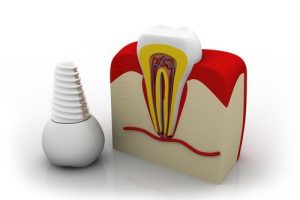 Whether it was during a consultation in our office or perhaps while you were doing your own research online, you have probably come across the term “dental implant” at some point. A dental implant is a great way, often the best way, to replace a missing tooth.
So how do you decide if a dental implant is the right path for you, or if a more traditional tooth replacement method such as dentures or bridges is the best way to go?
We have been asked this question many times, and have compiled a comprehensive breakdown of the benefits that implants offer over their conventional counterparts. We hope that this guide will help make the decision process easier for you.
Dental Implants vs. Dentures and Bridges: Things to Consider
- Longevity: Dental implants offer a long-term solution (often lasting a lifetime) to missing teeth, while dentures and bridges require replacement every 5 to 10 years. Not only does this mean less hassle, it also means that implants may be more affordable over time.
- Quality of Life:
- Simply put, dental implants look, feel and function more like natural teeth than do dentures and bridges.
- With a dental implant, our patients can hardly notice the difference when biting into hard objects. They also look more natural.
- In addition to that, dental implants are fixed – they are not going to fall out while you are talking or smiling, and you don’t have to put them away each night when you go to sleep. They remain in your mouth, anchored to your jawbone at all times.
- Bone Stability and Health: Just like muscles, bones also need a “workout” in order to maintain their mass and health. So when a tooth is missing from the jawline, the bone underneath the old tooth site becomes atrophied and shrinks. Dentures and bridges do nothing to help this deterioration. However, dental implants actually screw into the bone and integrate with it, actually encouraging new bone growth.
- Overall Health: Because implants allow for a normal range of food choices in the diet (a benefit not afforded by dentures), they encourage you to continue your healthy lifestyle for the rest of your life!
Do you still have questions? As always, we are here to answer any questions you have. Give us a call for more information!
Facts About Bone Grafting!
 Did you know that with today’s modern techniques, bone grafting is now considered a routine treatment? A bone graft can fix a variety of facial and dental problems and may be required in some cases. If you’ve been told in the past that you’re not an ideal candidate for getting a tooth implant, call us to ask about how a sinus graft makes it possible for many of our patients to receive dental implants. Here are a few things you should know if you’re thinking about getting a dental implant or think a bone graft could help you.
It’s a routine procedure!
Bone grafting has become a standard practice. Depending on the quantity and quality of jawbone, most procedures take place in our office and we use local anesthesia or conscience sedation to relieve any anxiety.
Bone loss has been virtually eliminated!
The only reason our jaws have the amount of the bone that they do is because of the presence of existing teeth. Complicated procedures were developed in the past to attempt to rebuild jaws that had atrophied due to missing teeth and disuse but with the modernization of bone grafting and dental implants, we can prevent jawbone atrophy all together.
There are a variety of materials that can be used.
The bone grafting material you need could come from a variety of sources. Generally, we use bone taken from your hip, jaw, or lower knee but today we have the ability to grow bone where needed or obtain bone from a tissue bank. We also use special membranes to help protect the bone graft and encourage bone regeneration.
Bone grafting allows your body to rebuild itself.
The human body uses most bone grafting materials as a frame on which it can grow new bone. Over time the graft material will be replaced with new bone through your body’s own process of bone regeneration. Maintaining a healthy amount of bone tissue around your teeth is crucial in keeping up your oral health.
If you have a missing tooth, congenital defect, or have had a traumatic jaw injury, and you’re wondering whether you may need bone grafting, give us a call. We can answer your questions, and present the treatment options that are best in your individual situation.
Traveling and Oral Health – Tips for the Holidays
 We don’t have to tell you: the winter holidays mark one of the busiest seasons of the year. With shopping, parties and vacations jam-packed on the calendar, it’s no wonder that many people take shortcuts when it comes to oral health maintenance during this time. If you are traveling during the holiday season and you want to avoid a January surprise cavity (or worse), here are some simple tooth travel tips to help you keep your smile intact.
- Don’t leave home with a toothache! If you suspect you have any lurking problems in your mouth, schedule an appointment prior to your travel date so that you don’t end up with a tooth emergency while out of town. Research emergency dental clinics in your destination city and have those numbers handy to ensure that your time off is as relaxing as possible.
- No one ever regrets buying travel-sized gear. Keeping a travel toothbrush, floss and toothpaste on hand in addition to trial sizes of your favorite toiletries reduces your packing time, and not just during the holidays.
- Splurge on probiotics! Diseases and germs run rampant in buses, airports and other communal places that you might encounter during your trip. Researchers believe that probiotics are not only good for the gut; they may help maintain optimal oral health too!
- Toothbrushes don’t last forever! Generally, dentists recommend that you buy a new toothbrush every two to three months when at home. However if you are traveling, your toothbrush is exposed to even more bacteria. It’s best to toss it when you return home and swap it for a fresh brush, even if it hasn’t hit the three-month mark yet.
- Chewing gum is a limitless oral-health-on-the-go tip! Bringing sugar-free gum with you has multiple benefits; not only does it taste good and make your breath smell fresh, but the gum can help remove food that may be stuck in your teeth as well, acting as a secondary toothbrush.
Wisdom Teeth: What Do I Really Need to Know?
For the majority of people, the removal of their wisdom teeth is just another part of growing up. However, that doesn’t mean it’s an easy part! A combination of frightening stories from friends and false rumors online have may have you feeling anxious about your upcoming procedure. So we’d like to set the record straight and put your mind at ease.
 Here is what you really need to know about wisdom teeth:
1. If you ignore them, there will be more (pain, that is).
Despite their name, it is not a smart idea to refuse surgery and live with your wisdom teeth. Most wisdom teeth are asymmetrical (they don’t grow evenly) which can cause complications. Asymmetric wisdom teeth have a high chance of developing gum disease and infections, which can become life threatening if not treated.
2. Patience is not a virtue.
As wisdom teeth generally form roots during the teenage years, it is better to have them removed during that time. Waiting until you are 30 or 40 can increase the chance of them rupturing a nerve, leading to a longer and more complicated recovery.
3. I scream for ice cream!
We recommend that you only ingest liquids for a day after the procedure. Ice cream, pudding and smoothies are all great choices (without straws). Softer foods are advised for the rest of the week, so make sure to stock up on pasta, eggs and mashed potatoes! And remember: NO straws during your recovery period.
4. No pain, plenty to gain.
Thanks to anesthesia and/or laughing gas, your wisdom tooth extraction will be painless. However, most of our patients do experience some sort of discomfort in the days following the surgery, so we will suggest methods and medications to help with that while you are in our office.
5. Rest is the best!
Post-removal recovery depends on the patient, but most people do not resume work for four-to-five days. Patients are also advised to not exercise vigorously or play any sort of wind instrument for a week.
TMJ Treatment: A Cooperative Approach
As with many dental health procedures, the treatment of TMJ (temporomandibular joint) disorders requires a cooperative approach between you (the patient) and me (the doctor). Once we have diagnosed the condition and narrowed in on the problem, we have many different treatment options to explore together. And luckily, most cases of TMJ do not require surgery.
 Symptoms of TMJ disorder range from an aching jaw and painful ear to difficulty chewing. Oftentimes there is a clicking noise when chewing. And occasionally, locking of the joint can even occur.
The causes are just as wide-ranging as the symptoms. Sometimes TMJ disorder is caused by a lack of cartilage, sometimes by a blow or impact injury, and occasionally it can be caused by excessive teeth clenching or grinding.
Once we have diagnosed (or ruled out) TMJ disorder, we can get to work on developing a treatment plan for you. Here are some common treatment options that we will discuss in the office, divided up by: things we will do in the office and things you can do at home.
In the Office, we may:
- Administer medications to reduce the immediate pain and relax the muscle.
- Provide you with a splint (night guard). The purpose of this is to keep your teeth apart during the night, allowing the muscles to relax.
- Provide you with an anterior positioning appliance to keep your jaw forward.
- In EXTREME cases, where the jaw can’t open or is dislocated, surgery may be recommended.
At home, we may ask you to:
- Be mindful of keeping your teeth apart and resting your jaw when not eating.
- Use ice and heat packs to comfort the area.
- Eat soft foods.
- Be aware of your posture.
- Try a stress management routine that might include biofeedback.
Whatever type of jaw pain you are having, please give us a call so that we can help you figure out how serious it is and what to do about it!
The Intriguing Connection Between Arthritis and Gum Disease
It seems that evidence mounts daily identifying a link between your oral health and the health of the rest of your body. In this blog article we will explore the specific connection between your gum health and Arthritis.
 Rheumatoid arthritis (RA) is an autoimmune disease affecting about 1.5 million Americans that causes chronic inflammation of the joints and other areas of the body. The result is often debilitating pain, reduced flexibility and, in some cases, erosion of the surrounding bone.
Periodontal disease refers to advanced bacterial infection of the gums. It generally follows gingivitis that is left untreated for an extended period of time. If allowed to continue without professional treatment, severe gum disease can lead to dramatic recession of the gums, tooth loss and damage to the bones of the jaw.
The Inflammation Connection
The exact nature of the link between these two diseases is still being researched. Scientists originally pointed to bacteria as the leading factor; however, more recent research shows that inflammation is might likely responsible for the association. What is clear at this point, is that the connection does exist and treatment for periodontal disease is strongly recommended for patients with RA.
Preventing Periodontal Disease and Its Affects on RA
Due to the connection between diseases, proper oral hygiene has become a key component in treatment plans for arthritis sufferers. It is believed that reducing inflammation in the gums can help decrease their joint pain and fatigue related to RA. Unfortunately, oral health habits can be exceedingly difficult for arthritic joints in their hands. The American Dental Association has offered these recommendations for their hygiene routines:
- Try an electric toothbrush. A quality electric brush with a large handle allows for a better grip and can clean teeth and gums effectively, without as much hand motion.
- Consider floss holders. If traditional flossing methods are difficult, RA patients are encouraged to try angled floss holders. These plastic devices are affordable and easy-to-find.
- Protect yourself with mouthwash. An RA patient generally needs extra oral protection than a healthy patient. A fluoridated mouthwash, used 2-3 times per day, can help keep bacteria at bay.
- Avoid smoking. Besides putting themselves at risk of host of other medical conditions, smokers are much more likely to develop gum disease.
If you are patient suffering from Rheumatoid arthritis, please don’t hesitate to call us with any questions or for advice regarding your oral health routines.
Serving Patients with Special Needs
We are committed to making care available for all patients who need it, regardless of special healthcare needs. Patients with special needs include the elderly, those with limited mobility, mentally disabled individuals, immuno-compromised people and those with mental illness. Specific diseases that can frequently hinder proper dental care include autism, Alzheimer’s, Parkinson’s, Cerebral Palsy, Multiple Sclerosis and Down syndrome.
 Often times, these individuals have higher rates or poor hygiene, which leads to greater incidence of gingivitis, periodontitis and dental caries. These conditions can sometimes require root canal therapy or other dental procedures to save the patient’s tooth. While treating a patient with special needs, we strive to ensure:
– A friendly and comfortable environment
– Sensitivity and compassion from team members
– Predictable experiences at each appointment
Our team posses the compassion and understanding that is imperative when caring for a special needs patient. Some cases involving severe disabilities may require specialized equipment and general anesthesia. We realize that each individual with special needs is a unique case and will require different systems and skills to properly treat. We are confident we can provide competent care for the majority of patients who are labeled as special needs.
For patients who are specifically incapable of ideal hygiene, it is essential that the people in daily contact with them become involved in their oral healthcare requirements. If you are a caregiver for a patient with special needs, the best course of action to determine if we can offer treatment is to call our office with any questions and possibly reserve an appointment to tour our facilities. If more complex oral care is required, we will refer you to the appropriate specialist who also works with the special needs population.
Dental Implants: Are they right for you?
Not everyone is blessed with perfect teeth. Many people would tell you they lack the smile they’ve always wanted due to genetics, disease, and sometimes even accidents. Fortunately, we have a solution. With dental implants, you will no longer feel self-conscious about your smile; but rather delight in having a new and improved grin!
 What are dental implants?
Technically, dental implants are replacement roots for missing teeth. First, the implant, a titanium screw, is inserted into the jawbone. Next, a removable or permanent replacement tooth is attached to the top of the implant to mirror the appearance of your natural teeth. Currently, over 3 million people worldwide have dental implants and the technology has reached a point where each procedure has a 98% success rate.
Why should I get dental implants?
Beyond simply improving the appearance of your smile, dental implants include many other benefits:
- Oral health: Unlike other restorative procedures, dental implants do not necessitate the reduction or alteration of neighboring teeth, thus resulting in improved oral health overall. Additionally, dental implants do not interfere with access to neighboring teeth, so it is no harder to brush or floss.
- Longevity: While other dental aides such as dentures and bridges inevitably require replacement, dental implants are extremely durable, lasting many more years and in some cases even a lifetime!
- Convenience: Dental implants do not ever need to be removed for activities such as eating, drinking and brushing, and do not require adhesives. They act, look and feel just like natural teeth!
How much do dental implants cost?
Dental insurance does not always cover the cost of dental implants. However, in the long run, dental implants are usually cheaper than other restorative procedures. Because they do not need to be replaced, the initial investment for implants is well worth the price.
Dental implants are becoming a popular trend in the world! Call us to set up an appointment to upgrade your smile!
Could Diamonds Be An Oral Surgeon’s Best Friend?
We routinely replace missing teeth with dental implants here in our office. Dental implants are artificial tooth “roots” made of titanium, used to anchor dental prostheses, including crowns, and implant supported bridges and dentures. One of the largest factors in successful dental implant placement is adequate, healthy bone density to anchor the post.
 Unfortunately, not all patients have the proper bone in their jaw to support a dental implant. Some patients suffer from Osteonecrosis, a disease caused by reduced blood flow to bones. When there is not enough blood flow, bone can start to die and break down. This makes dental implants for these patients particularly susceptible to becoming loose or failing. Osteonecrosis can be a side effect of chemotherapy.
Scientists from the UCLA School of Dentistry have discovered that nanodiamonds could be used for stronger dental treatments. Nanodiamonds are much smaller than those traditionally used in jewelry.
Currently, standard bone repair operations include inserting a sponge surgically to administer proteins that promote bone growth. This new study, led by Dr. Dean Ho, may have uncovered is an easier way to deliver these proteins. Nanodiamonds, which are invisible to the human eye, bind rapidly to the materials needed for bone growth. This process can be done through injection or an oral rinse, rather than surgery.
“This discovery serves as a foundation for the future of nanotechnology in dentistry, orthopedics and other domains in medicine,” said No-Hee Park, dean of the School of Dentistry. “Dr. Ho and his team have demonstrated the enormous potential of the nanodiamonds toward improving patient care. He is a pioneer in his field.”
Results from the study will most likely pave the way for more study. Either way, stay tuned to find out how diamonds are playing a role in oral health care.
Dental Implants: Changing the Way We Treat Missing Teeth
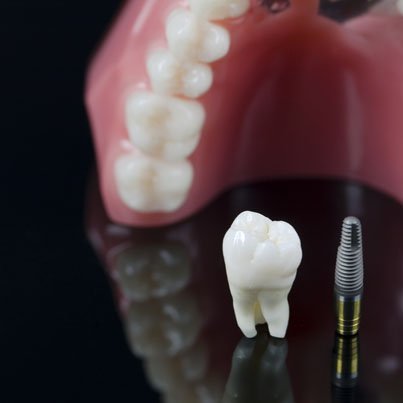 Dental implants are rapidly becoming the standard of care in how we, as dental professionals, deal with missing teeth. And while the incidents of adults losing permanent teeth has been declining for decades, there is still a good chance that at some point in your life you too will require treatment for a lost permanent tooth.
The way this was treated in the past was by one of two methods. The first method was to install a bridge. The second commonly used method was dentures. But both of those methods present their own challenges and hassles to patients. Thankfully, dental implants have improved so much over the years that more often than not they are a better choice for a patient’s oral care plan.
Here are our top five reasons that dental implants have a leg up on their old competitors.
- Almost Natural: Dental implants are so sturdy that they feel and function just like a natural tooth. This is achieved by inserting a screw into the jaw which is allowed to bond with the bone in that area.
- Longevity: Dentures are a long term solution and have the ability to last a lifetime when properly placed and taken care of. By contrast, traditional bridges last only about 5-7 years.
- Fully Functional: Unlike dentures, which have a tendency to slip or feel uncomfortable and might even cause worry about possible embarrassments in public, dental implants don’t move when you are eating, talking or moving around.
- Face Shape Protection: When a permanent tooth is lost, over time the face and smile can sag. Dental implants fill in those spaces and allow you to keep your natural face shape longer!
- Keeps your Jaw in Shape! Dental implants actually stimulate natural bone growth when set in the jaw. Without them, the jaw gets lazy and can deteriorate.
If you have a site in your mouth where you are missing a tooth and have been wondering what to do about it, give us a call today for a consultation to see just how great dental implants can be!